

Modern conveying technology: from mechanical to pneumatic
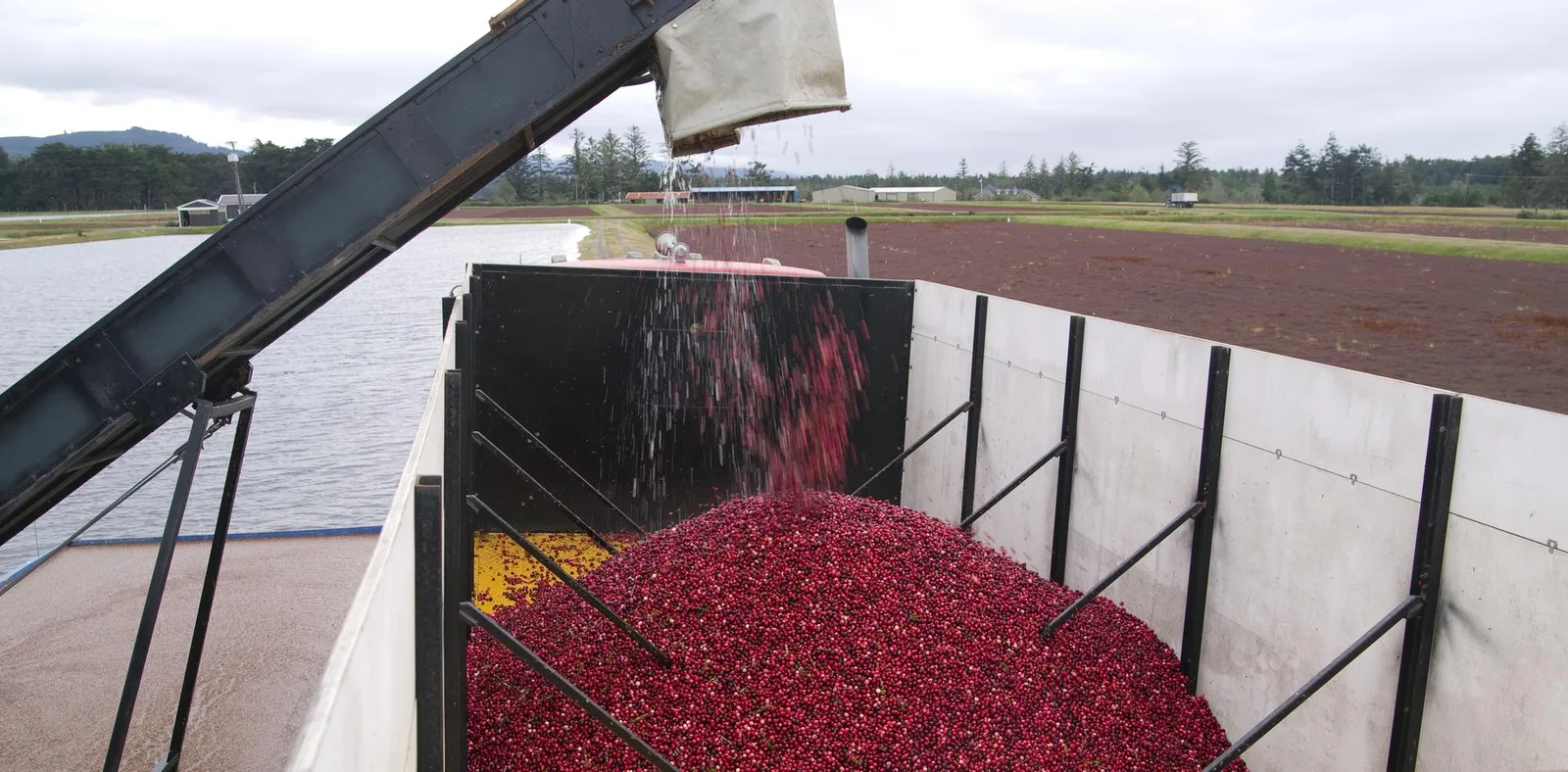
Transporting bulk materials is one of the fascinating challenges in industry, particularly in connection with grain storage buildings, mills, feed mills and the general bulk-materials industry. Two main systems are available here: mechanical and pneumatic conveying systems. These play a decisive role in the efficient and safe movement of materials. The following article examines the differences, function and fields of application as well as the advantages each system offers.
Explanation
Conveying systems are technical installations that move materials from one place to another. In industry they are indispensable for moving large quantities of raw materials safely and efficiently. Whether in grain storage buildings, mills or feed mills, the right conveying technology ensures that production processes run smoothly and that materials are available in the desired quality and quantity.
Understanding mechanical technology
Mechanical conveying systems use physical components to move materials. These can be conveyor belts, chain or screw conveyors. Their function is based on the transfer of kinetic energy that moves the material in the desired direction. They are robust and ideal for transporting materials over short to medium distances.
One example of their application is the use of drag chain conveyors in mills to transport grain to the processing machine. The mechanism ensures continuous movement of the materials, which guarantees efficiency and consistent quality. The function is characterised by easy maintenance and durability, which makes it the preferred choice in many industrial applications.
Mechanical systems offer a range of advantages, including easy maintenance, durability and cost efficiency. Because they are made of robust materials, they are suitable for continuous use in harsh environments. In addition, they enable even conveying, which is particularly advantageous in production.
Their construction allows a wide variety of materials to be transported safely, from large lumps to fine sand. This versatility makes mechanical technology a popular choice in many industries that rely on reliable and durable solutions.
Pneumatic technology in focus
Pneumatic conveying systems, by contrast, use air pressure or vacuum to move materials through pipelines. These are particularly suitable when it comes to transporting fine or sensitive materials over longer distances. They offer flexibility in installation and can be integrated more easily into complex plants.
A well-known field of application for pneumatic technology is the transport of flours in bakeries or mills. The gentle transport ensures that the quality of the material is preserved and that no contamination occurs. Pneumatic systems are able to transport materials both horizontally and vertically, which makes them especially versatile.
The technology stands out for its ability to transport sensitive materials gently without damaging them. Its flexibility in installation and adaptability to existing structures makes it attractive for companies wishing to optimise their production processes.
These systems also offer a high transport speed and can move materials over large distances. Their enclosed design minimises the risk of contamination, which is of decisive importance in industries with high hygiene standards.
Fields of application
Mechanical technologies are often used where robust materials have to be transported over short distances. Examples of this are the transport of grain in silos or the conveying of gravel in construction plants. Their simplicity and reliability make them the first choice in many industrial applications.
Pneumatic technologies are preferred when it comes to transporting fine or sensitive materials over greater distances. In industry they offer a solution for conveying powders or fine granules, which are indispensable in sectors such as chemistry or pharmaceuticals. Their ability to be used flexibly in complex plants makes them a popular choice.
Factors in the selection
When selecting a conveying system, several factors should be taken into account, including the type of materials to be transported, the distance over which they must be moved and the specific requirements of the production process. It is important to choose a technology that meets the requirements of the respective application while ensuring efficiency and cost-effectiveness. In addition, aspects such as maintenance effort, energy consumption and integration into existing plants should be considered. A careful evaluation of these factors ensures that the chosen option contributes optimally to the efficiency and productivity of the company.